
We have solved the why. Not yet the how.
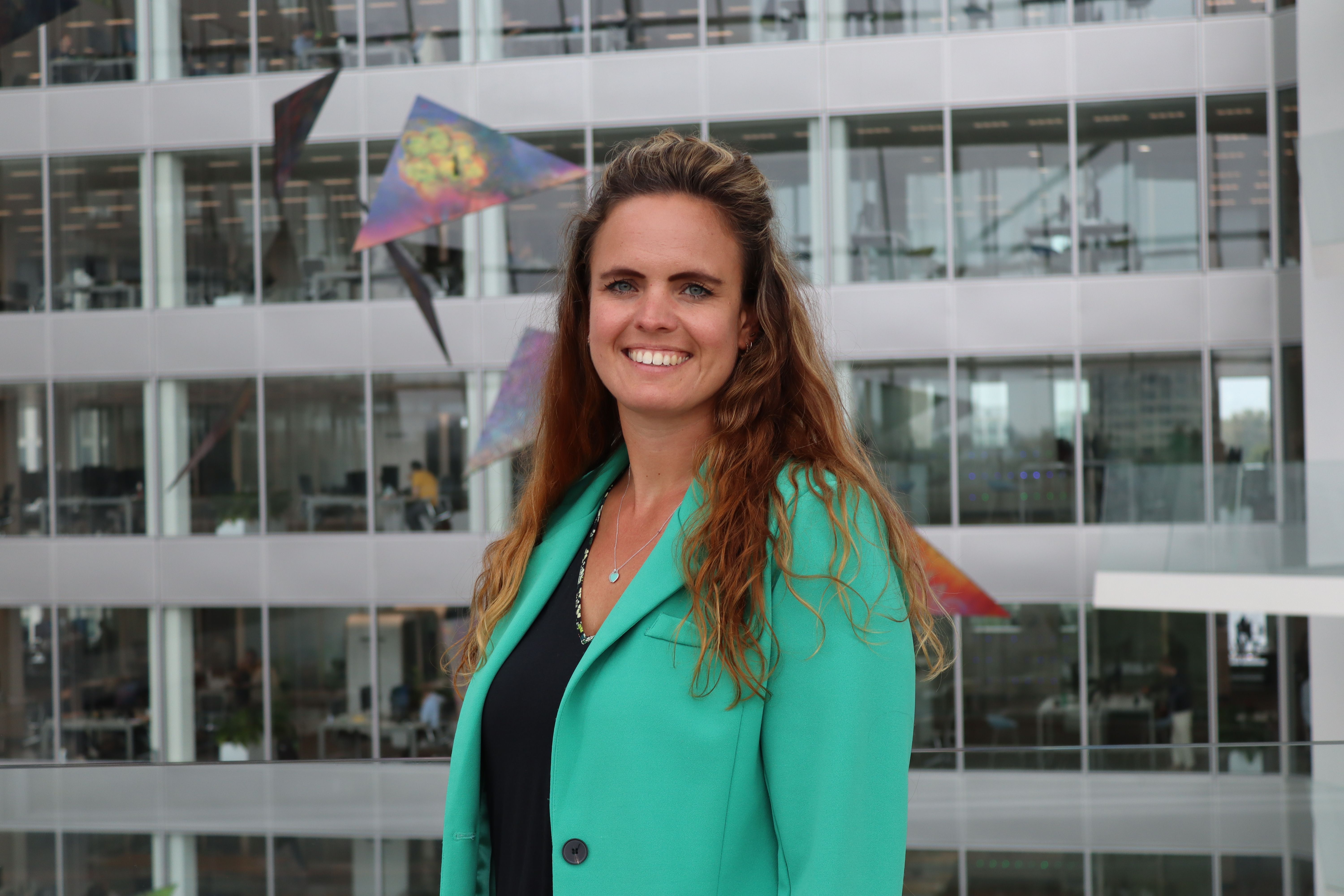
Kim Schneider is a digital assets and payments leader and co-hosts the BNR Cryptocast.* She spends her working week with the institutions that publish the press releases, and with the same institutions when the cameras are off. That gives her a clear view of the distance between the two.
We asked her where that distance is widest, what stablecoins have actually settled, and what tokenization still needs before it works at scale.
The gap between exploring and doing
Announcements, she says, describe pilots. What they rarely describe is production.
"What you see in announcements is products within blockchain transformation, successfully tested, but that means they are still building pilots on test networks. What we actually see in the market is that they are moving stablecoins and tokenized collateral into production, but only in closed corridors with trusted counterparties."
The gap is between "we're exploring blockchain" and "we're quietly moving billions through it."
The honest version, she adds, is that institutions are not waiting for perfect regulation. They are moving quickly in the areas regulators have not yet reached. But the main products and propositions are now being built inside the regulated perimeter, and that part is growing fast.
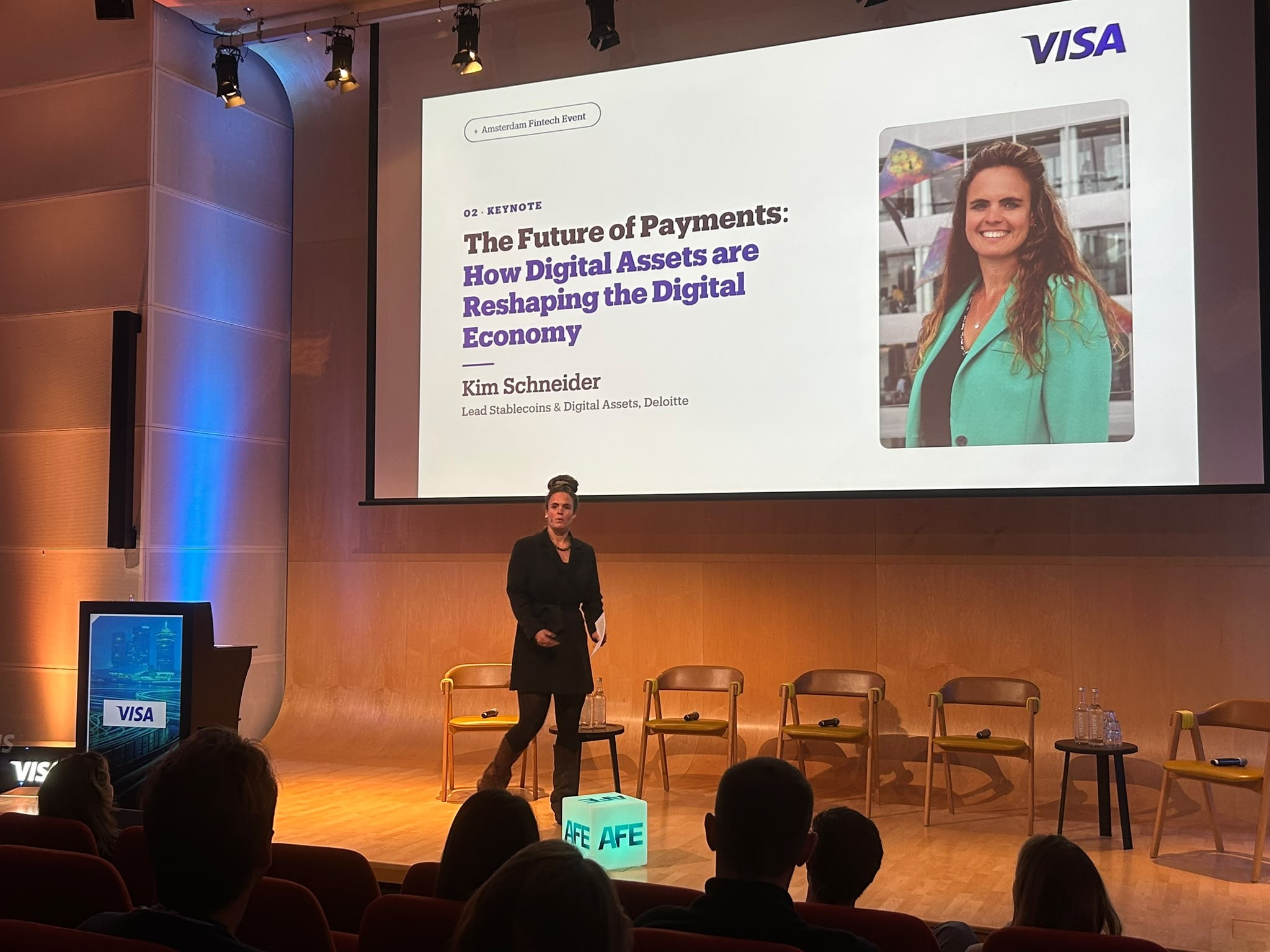
Stablecoins moved from fringe to boardroom. Here is what did not move with them.
"What has changed is that the business case became undeniable. Stablecoins now power real payments. It is not speculation anymore." She points to projections of around $200 billion in US retail transactions by 2030. "The boardroom cares because it is about margin and speed, and there is regulation in place which helps adoption."
What has not changed is the plumbing underneath. Multiple stablecoins, multiple chains, and interoperability that remains genuinely hard. Regulation exists, but it is fragmented across jurisdictions. Institutions still cannot move value seamlessly.
We have solved the why, but not the how. That is the work of the next few years.
What tokenization needs before it works at scale
Two things, in her account. The first is regulatory clarity on what a tokenized asset actually is. Is it a security? A commodity? A deposit? The second is interoperability again, and not only between blockchains: between old systems and new ones, and across the multiple organizations that make up an ecosystem.
Then there is the subject nobody raises.
Everyone talks about the upside. Nobody wants to admit that compressed settlement timelines create blind spots. We are moving fast, but we are not yet moving safely.
The question every new client asks
It is whether blockchain or digital assets solve a problem they actually have. Her answer starts by taking the technology out of the question.
"What you need is not necessarily blockchain. The question is whether you need faster settlement, better transparency, or lower costs. Blockchain can deliver those, but so can a good API and better operations."
The real case, she says, is a shared ledger between parties who do not fully trust each other. "If you are just moving money between your own entities, blockchain could be unnecessary."
What the public still gets wrong
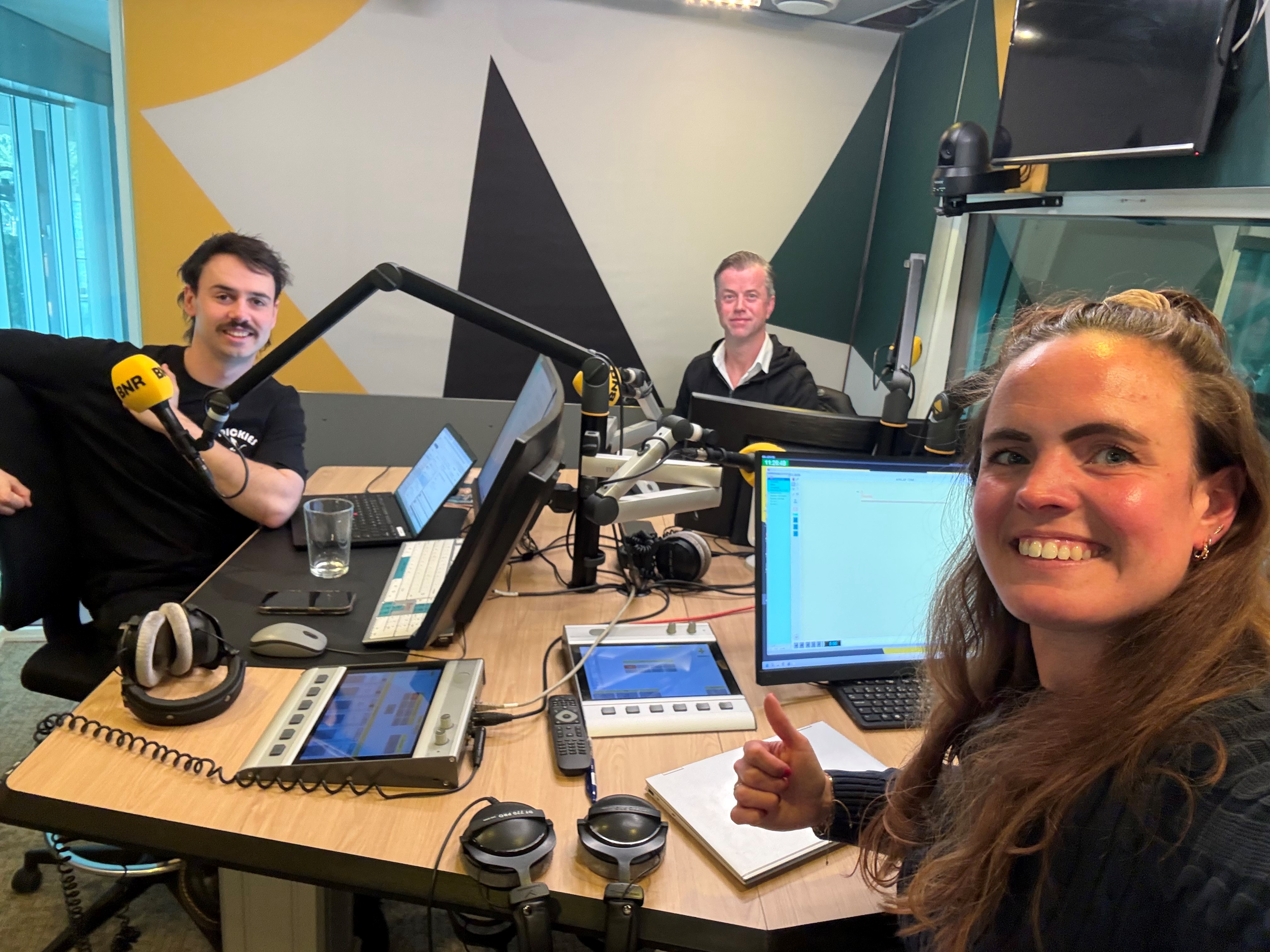
She co-hosts the BNR Cryptocast, so she explains this to a general audience every week. The first confusion has not shifted: people still treat crypto and blockchain as the same thing. Crypto is an asset class. Blockchain is infrastructure.
The second is energy consumption, a question she still gets about crypto and notably does not get about AI. The third is the assumption that the point of all this is getting rich quickly.
"That is why on the Cryptocast we also talk about how institutions are quietly rebuilding financial plumbing. That is less sexy, but it is what is actually happening."
To the woman who works in this every day and has not put herself forward
"Please show up. Your perspective matters because you work in it every day. You see the gaps, the risks, the real problems. That is exactly what needs to be heard."
If it is daunting, start small. A podcast episode. A panel. A LinkedIn post.
You do not need to be the world's expert. You just need to be honest about what you know and what you don't. That is rarer than you think, and it is what people actually listen to.
Kim speaks on the future of finance, payments, digital assets, and emerging technologies. Her focus is on how innovations such as stablecoins, blockchain, AI, and agentic payments are transforming the financial ecosystem, creating new business models, and changing the way money and value move. She translates complex technological and regulatory developments into practical insights, connecting emerging trends with real-world opportunities for financial institutions, fintechs, and corporates. Drawing on her extensive experience in financial services, innovation, and strategic advisory, Kim explores what these developments mean for businesses today and how organizations can prepare for the future of finance.
Kim is listed in the Crypto Women Collective Speaker Index, which is open to any woman working in or around crypto and free for any organizer to use. There is no fee, no membership requirement, and nobody standing between an organizer and a speaker.
* Kim is currently in transition to a new role.